

Starting a blog is easy. Growing one is not. Most amateur blogs stop within the first year, usually because the owner expected visitors to show up in weeks. These 10 tips come from running bannerTag and helping other small publishers. They are updated for 2026, when Google search, AI answers and social platforms all compete for the same readers.
1. Do Not Give Up (The Visitors Will Come)
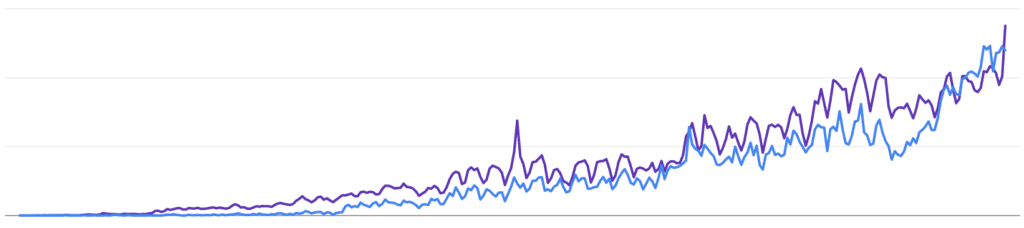
The first months are the hardest. A new site has no history, no links and no trust, so search engines show it rarely. It is normal to see almost no visitors for the first 3-6 months, even with good posts.
Look at the trend, not the daily number. In Google Search Console, compare impressions month by month: if they grow, Google is testing your pages and clicks will follow. Many blogs that later earn real money had a flat first year.
- Publish on a steady schedule you can keep, for example one good post a week.
- Update older posts instead of only writing new ones.
- Judge results after 6-12 months, not 6 weeks.
2. Understand What is Your Niche
A niche is the topic and the audience you write for. "Travel" is too wide; "budget train travel in Central Europe" is a niche. A clear niche helps search engines understand your site and helps readers decide to come back.
Pick something you know or want to learn deeply, with questions people actually search for. Check that advertisers pay for it too: finance, software, B2B and health earn far higher CPMs than memes or celebrity news. See AdSense CPM rates by niche.
NeilPatel
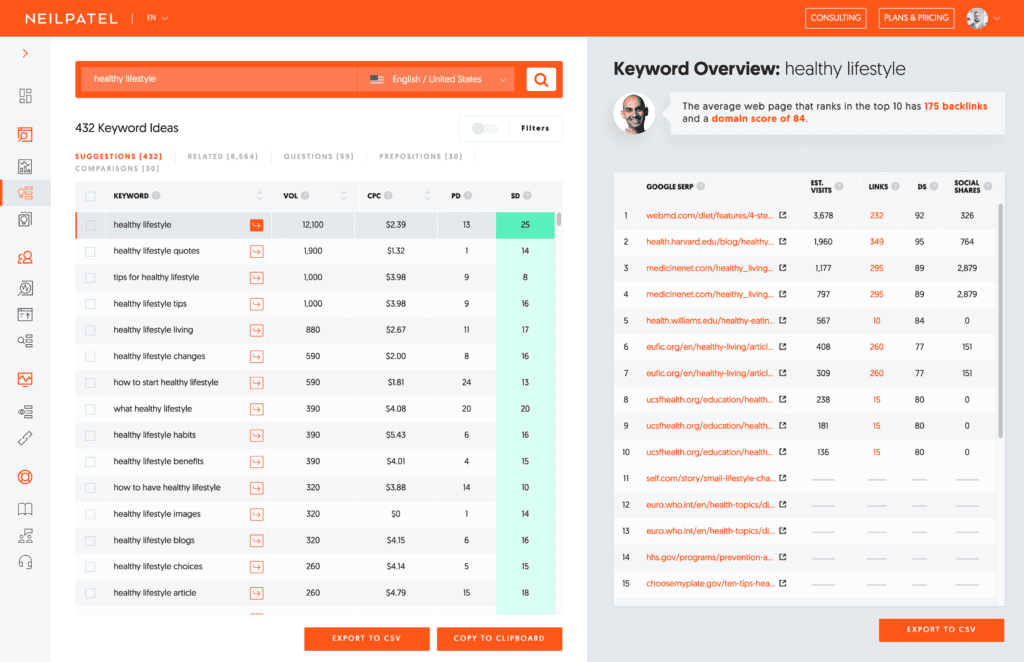
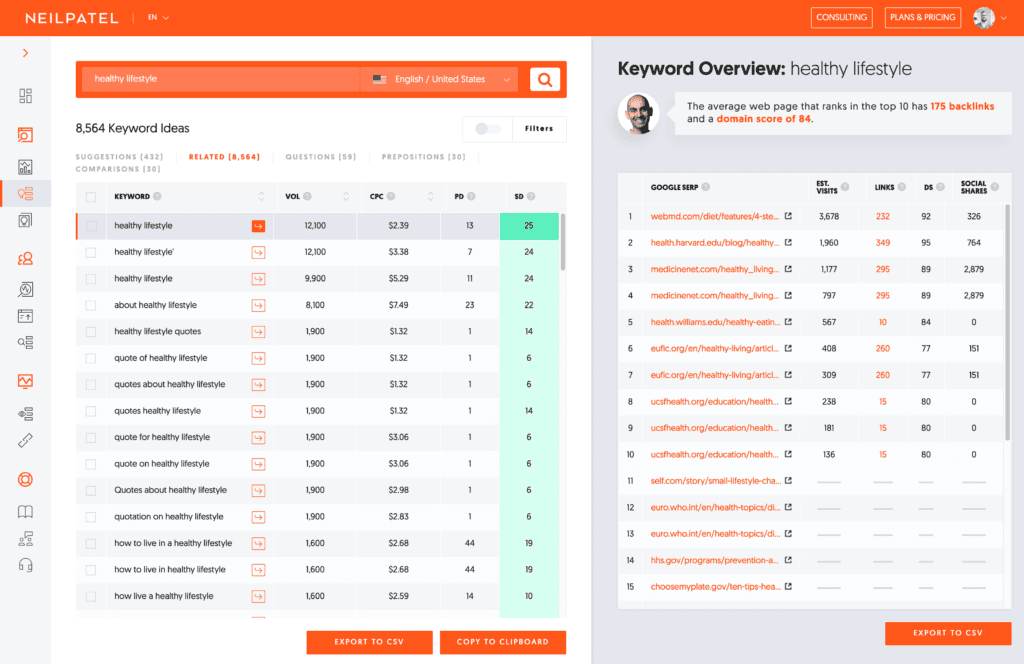
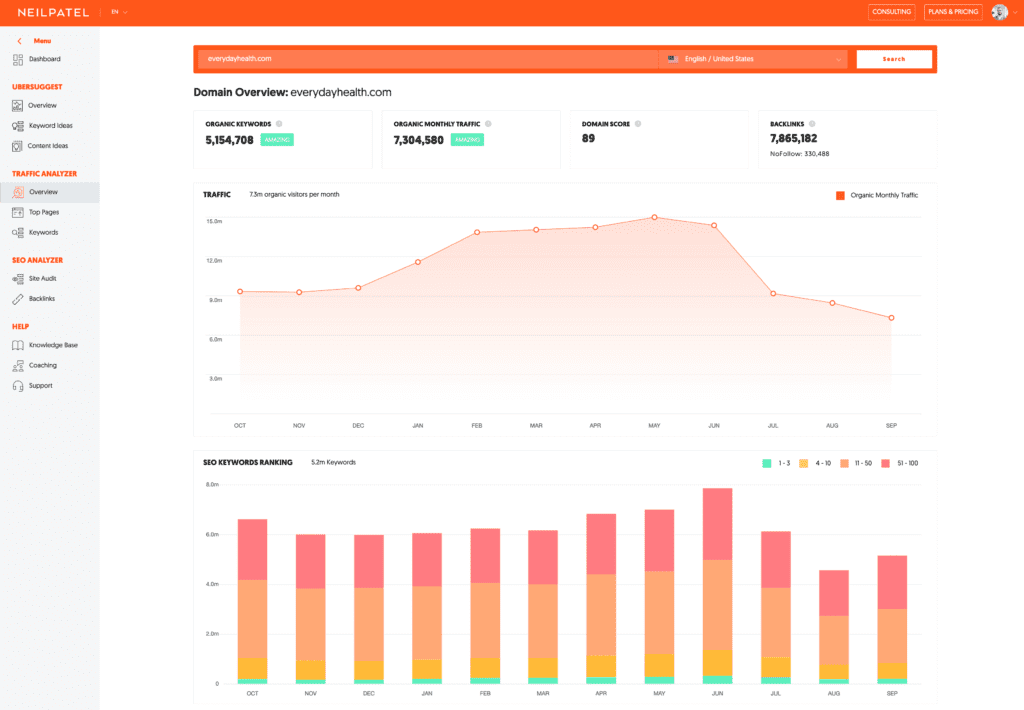
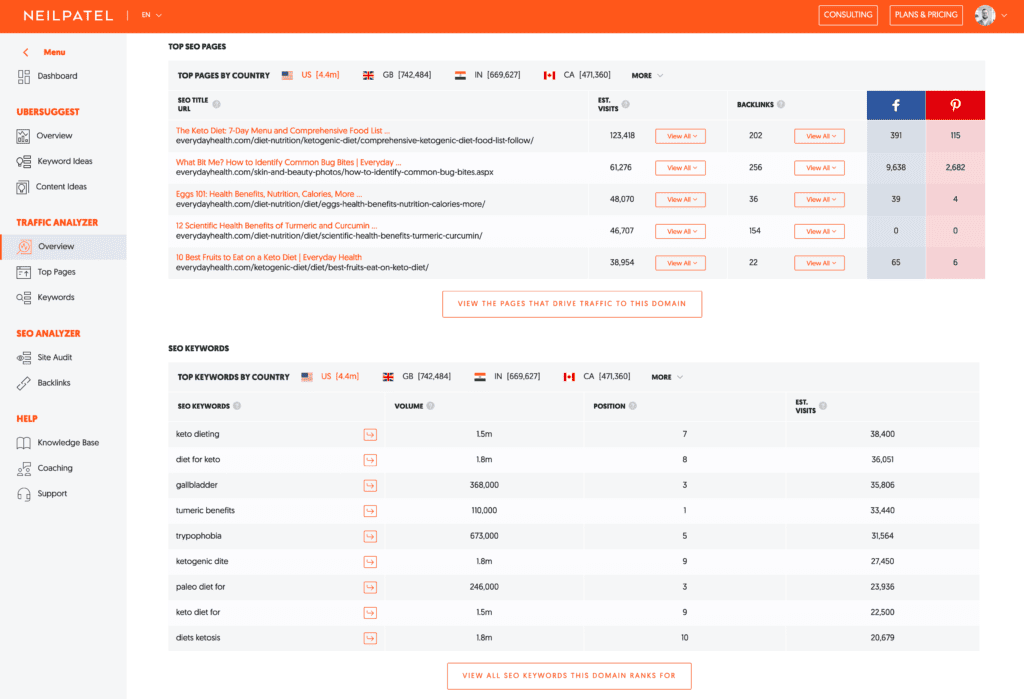
Free keyword tools such as NeilPatel's Ubersuggest show how many people search for a topic, how hard it is to rank and which sites already rank. Start with long, specific questions ("how to clean a cast iron pan after rust") rather than single words ("cooking"). They are easier to win and bring readers who know what they want.
3. Pick a Custom Domain Name
A free subdomain on Blogger or WordPress.com is fine for testing, but a real blog needs its own domain. It looks more trustworthy, it is easier to remember, and every link you earn stays with you if you change platforms. A domain costs about $10-15 a year.
For the platform itself, self-hosted WordPress.org gives you the most control and the most monetization options. Our guides on how to make a WordPress website and the best hosting for WordPress walk you through it.
NameMesh
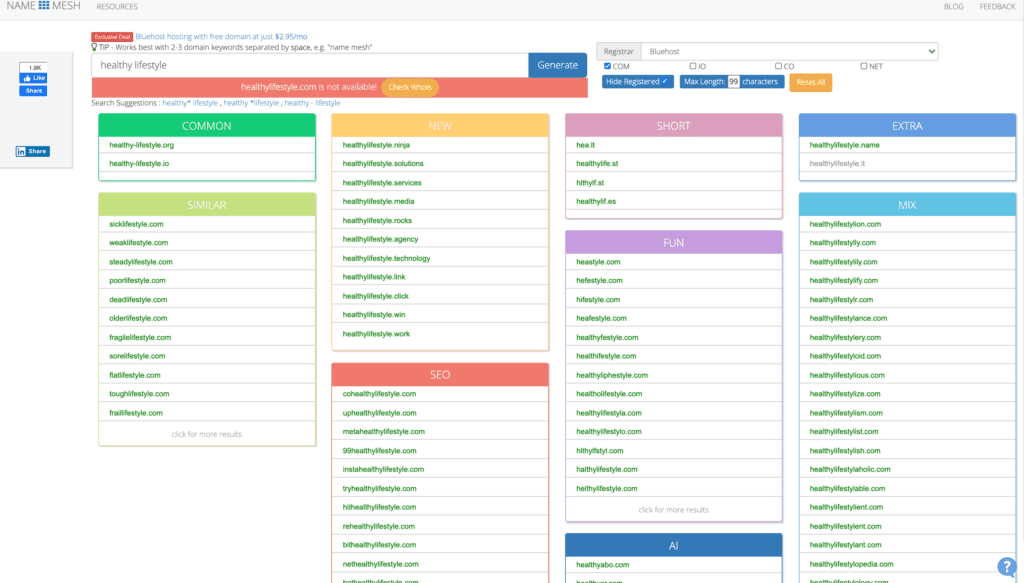
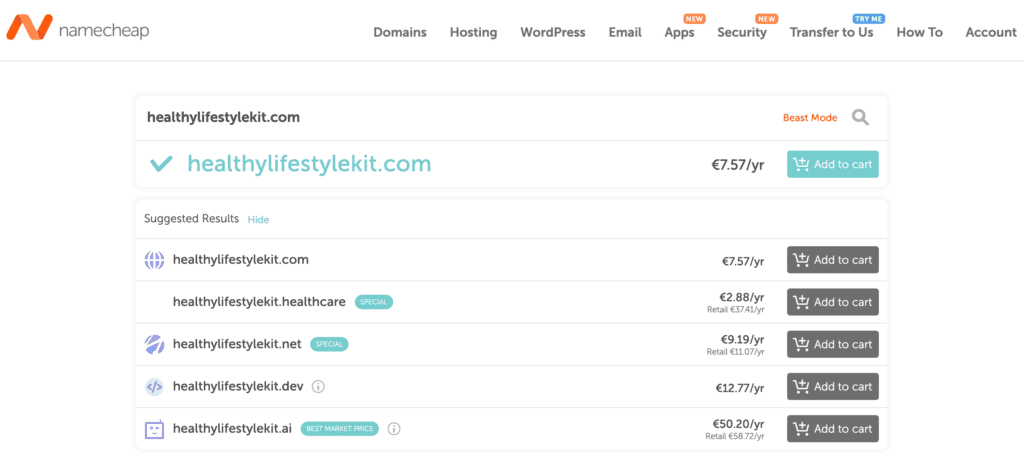
Name generators like NameMesh suggest available domain names from a few keywords. Keep it short, easy to spell and say, and avoid hyphens and numbers. A .com is still the safest choice for a global audience; a country domain works well for a local blog.
4. Blog Design
Readers decide in seconds if a site looks trustworthy. You do not need a fancy design; you need a clean and fast one.
- Use a light, well-coded theme. See themes that work well with ads.
- Make text easy to read: 16-18px font, short paragraphs, enough contrast.
- Check every page on a phone first. Most visitors come from mobile.
- Keep pages fast. Compress images and avoid heavy page builders where you can. Speed is part of how Google ranks pages.
- Leave clear space for ads now, so adding them later does not break the layout.
5. Create a Brand
A brand is what makes readers remember you: a name, a logo, colors and a voice. Use the same name and picture across your blog, social profiles and email. A simple logo and a few consistent colors are enough to start.
Photopea
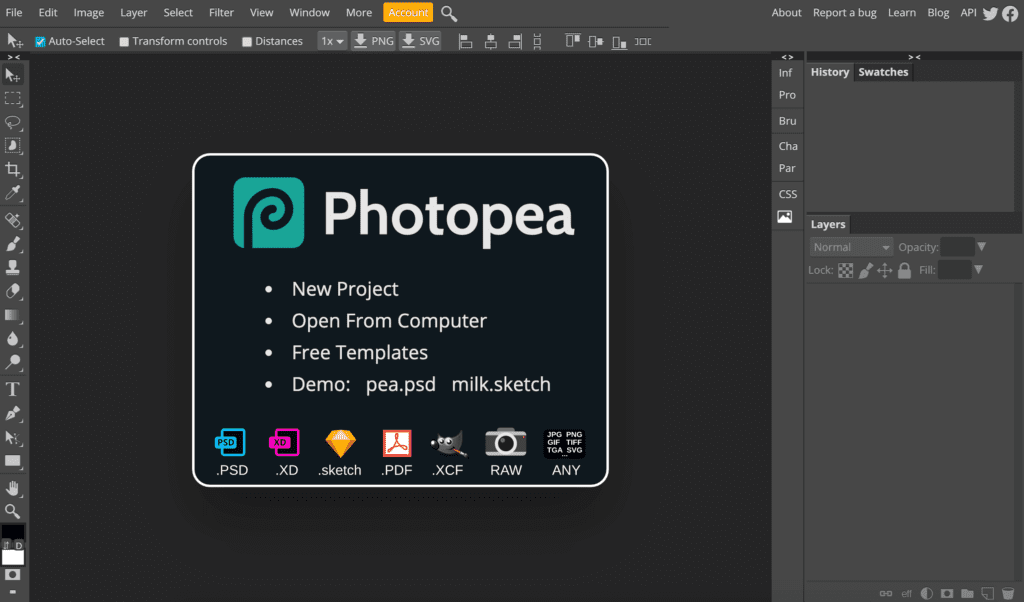
Photopea is a free, browser-based editor that opens Photoshop files. It is enough for logos, social images and featured images without paying for software.
Our Editor
Our free banner maker creates banners and social images in standard sizes, and our banner templates give you a quick start. For free photos and graphics, sites like Freepik and Needpix are a good source; always check the license.
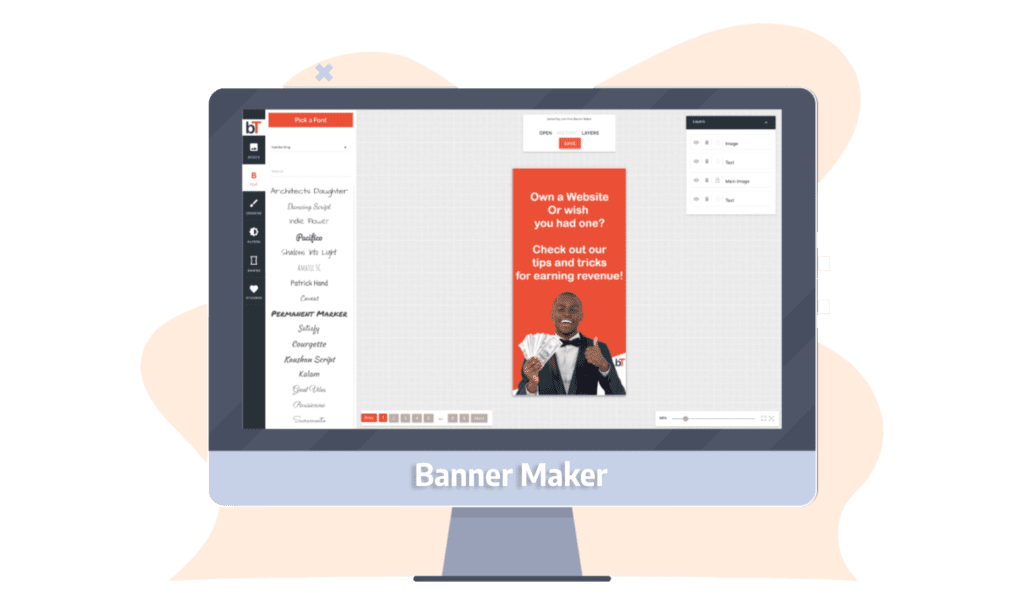
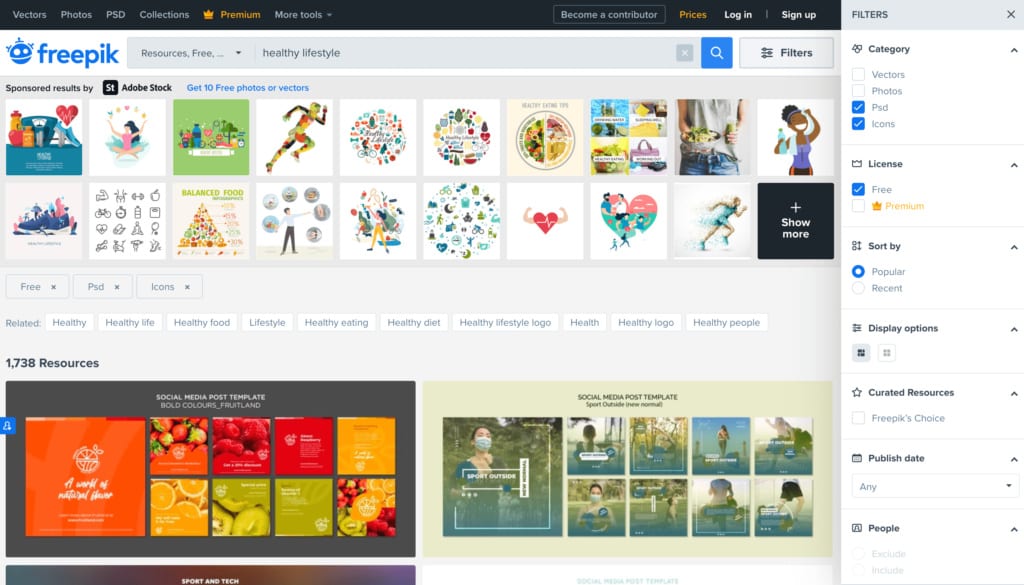
Image Compression
Large images are the most common reason small blogs are slow. Compress every image before uploading (tools like CompressJPEG or a WordPress plugin do this), use WebP where you can, and upload images no wider than your content column.
6. Create Unique Content
In 2026, search engines and AI assistants can summarize generic advice in seconds. The posts that still win are the ones only you could write: your own experience, tests, photos, numbers and opinions.
- Answer one clear question per post, and answer it near the top.
- Add something new: a real example, a screenshot, your own data, a mistake you made.
- Write in plain language. Short sentences beat clever ones.
- Use AI tools for help with outlines or editing if you like, but check every fact and keep your own voice.
- Update posts when things change, and say when you did.
7. Add Your Website to Search Engines
Search engines will find you eventually, but you can speed it up and see what they think of your site.
- Install an SEO plugin such as Yoast SEO to create a sitemap and set titles and descriptions.
- Add your site to Google Search Console and submit the sitemap. It shows which searches you appear for and any errors.
- Add it to Bing Webmaster Tools too; Bing also powers several AI search tools. Yandex Webmaster helps if you write for Russian-speaking readers.
- Write a clear title and meta description for every post: they decide whether people click.
8. Create and Build Backlinks
Links from other sites are still one of the strongest signals that your content is worth showing. The best links come from being genuinely useful, not from buying them.
- Write guest posts for sites in your niche. bannerTag accepts them too: see publish an article.
- Create something others want to link to: a free tool, a checklist, original data or a clear guide.
- Answer questions on forums and communities, and link only when it really helps.
- Track progress with free tools from Moz, Ahrefs or Ubersuggest. See how to improve your domain authority.
- Avoid paid link schemes and link farms; they can get a site penalized.
9. Use Social Media
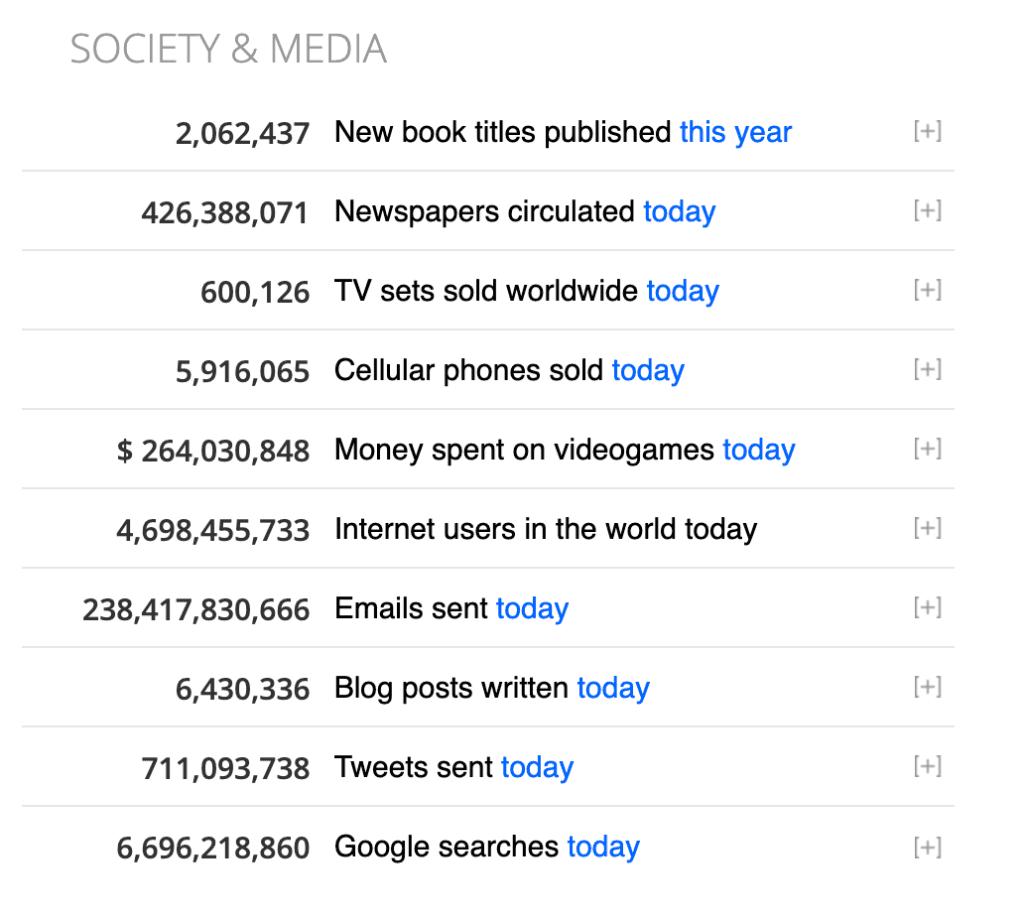
More than five billion people use social media. You do not need to be everywhere: pick one or two platforms where your readers already spend time, and share there regularly.
- LinkedIn works best for business and professional topics.
- Pinterest is strong for food, travel, home and DIY blogs.
- Short videos on YouTube Shorts, TikTok or Instagram Reels can send new readers to a blog post.
- Reddit and niche forums bring very targeted visitors if you take part honestly.
- Start an email list early. It is the one audience no algorithm can take away.
10. Help Other Bloggers and Join Communities
Blogging can feel lonely. Join groups of bloggers in your niche, share what works and what does not, and help others with their questions. You will learn faster, find guest post partners and often get your first links and readers from people who know your work.
Bonus: How to Start Earning From Your Blog
Once you have steady traffic, ads are the easiest way to start earning. Most bloggers begin with Google AdSense, then move to other ad partners or header bidding as traffic grows. Our Publisher Guide explains each step, the ad revenue calculator estimates what you could earn, and the ads.txt checker makes sure your setup is correct.
Conclusion
Growing a blog takes time, a clear topic and content that is truly yours. Keep your site fast and simple, connect it to search engines, earn links by being useful and share your work where your readers are. Most of all, do not give up in the first few months: that is exactly when most blogs stop, and when the ones that keep going start to grow.