You publish content and work on SEO. But do your pages really move up in Google? Checking every keyword by hand is slow, and the results are not reliable. That is why website owners use rank tracking software. It checks your positions automatically and shows how they change over time. In this article we compare the best tools.
What is rank tracking software?
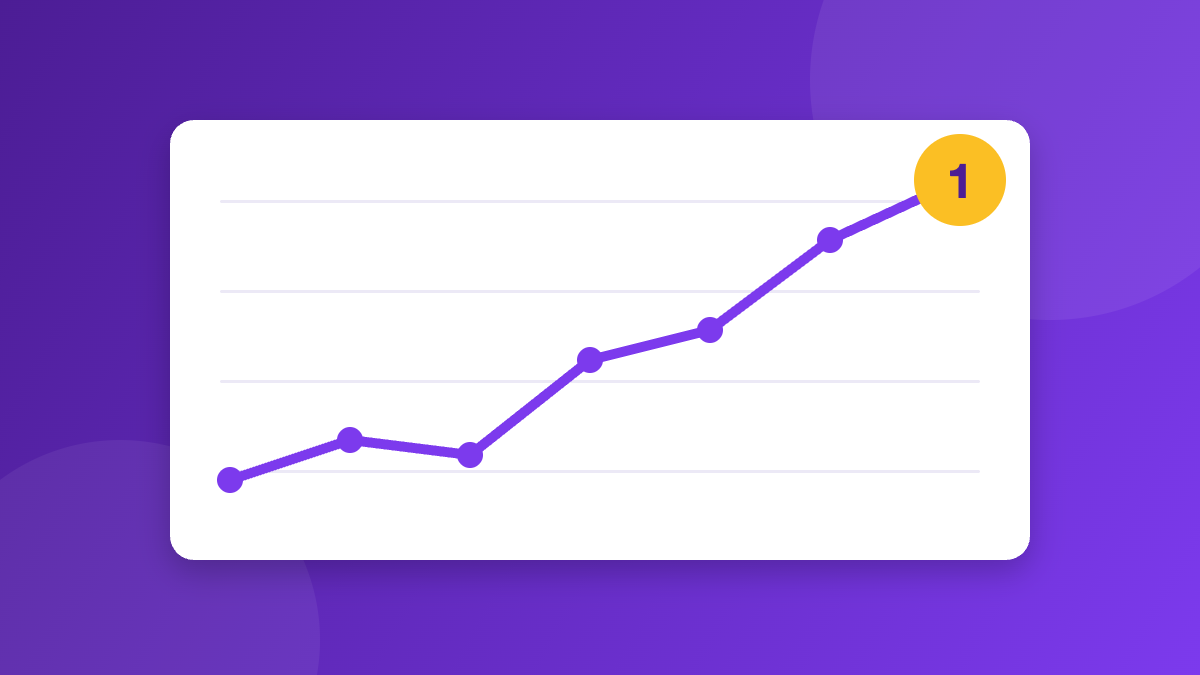
Rank tracking software is a tool that records where your pages appear in search results for chosen keywords. First, you add your website and a list of keywords. Then the tool checks the positions, usually every day. As a result, you see which pages grow and which ones lose ground.
Manual checks are misleading, because Google personalizes results by location and search history. In contrast, a tracker uses neutral searches from the place you choose.
What to look for in rank tracking software
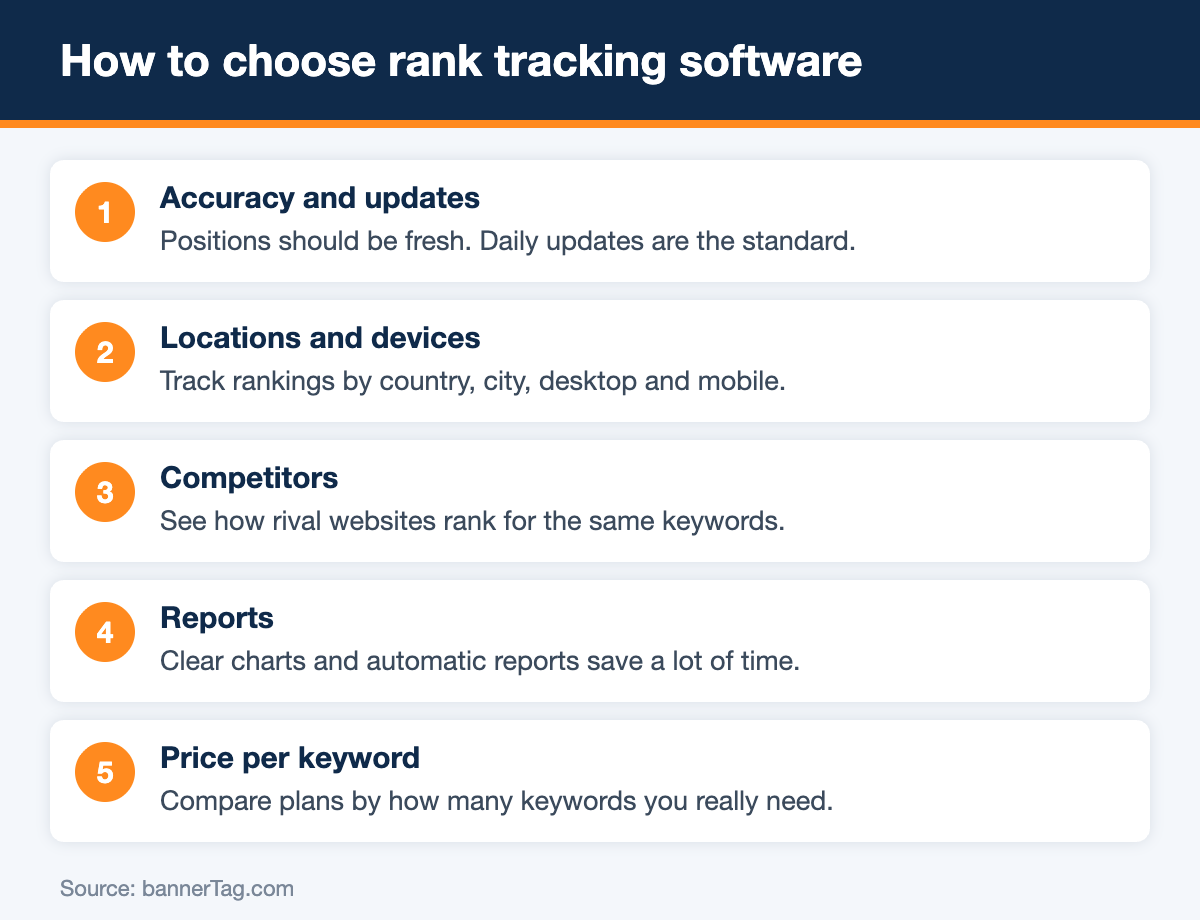
In addition, think about how many websites you manage. A blogger needs a simple tool. However, an agency needs reports for many clients.
The best rank tracking software
1. Google Search Console
Google Search Console is free and comes directly from Google. It shows the average position, clicks and impressions for every query. Therefore it is the best place to start. On the other hand, it only shows averages and tells you nothing about competitors.
Best for: every website owner, as a free base.
2. Semrush
Semrush is a large SEO suite with a position tracking tool. It updates rankings daily and follows competitors as well. Moreover, you get keyword research and site audits in the same account.
Best for: teams that want all SEO tools in one place.
3. Ahrefs
Ahrefs is famous for backlink data, and it also includes a rank tracker. You can follow keywords by country and compare your visibility with rivals. Furthermore, its charts are easy to read.
Best for: sites that focus on content and links.
4. SE Ranking
SE Ranking began as a rank tracker and grew into a full platform. It offers flexible plans, so you pay for the number of keywords you need. Because of this, many small businesses choose it.
Best for: small and medium websites with a limited budget.
5. AccuRanker
AccuRanker is a dedicated tracker. It does one job, and it does it fast. For example, you can refresh rankings on demand. Consequently, it is popular with agencies that track thousands of keywords.
Best for: agencies and large keyword lists.
6. Mangools SERPWatcher
SERPWatcher is part of the Mangools toolset. It has a clean design and a simple visibility score. So beginners understand their progress at a glance.
Best for: bloggers who want an easy tool.
Free vs paid rank tracking software
Free tools are enough when you start. Search Console covers the basics, and several paid tools offer free trials. However, paid plans save time as your website grows. They give daily data, local results and competitor tracking. Prices and limits change often, so always check the current plans on the official websites.
Looking for more free helpers? Then see our lists of free SEO tools and the best SEO Chrome extensions.
How to track keyword rankings the right way
- First, choose keywords that matter for your business, not hundreds of random ones.
- Next, group them by topic or by page.
- Then track desktop and mobile separately.
- After that, look at trends over weeks. Daily jumps are normal.
- Finally, connect rankings with traffic and income, because position alone pays nothing.
Rankings also depend on the strength of your site. Therefore read how to improve the domain authority of a website.
Conclusion
The best rank tracking software is the one you will check every week. Start with Google Search Console, because it is free. Then add a paid tool when you need daily data, local positions or competitor reports. Above all, use the numbers to improve your content. That is how better rankings turn into more visitors.